
Using a helium tank properly is actually quite simple: keep the tank upright, open the valve carefully, inflate balloons in a well-ventilated area, and always follow basic safety rules. Whether you're decorating for a birthday party, wedding, or business event, understanding how to handle a helium tank correctly helps you inflate balloons efficiently while avoiding unnecessary risks.
A helium tank is a pressurized container designed to store and release helium gas safely. Helium is a colorless, odorless, and non-flammable gas that is lighter than air, which is why it is commonly used to make balloons float.
Most helium tanks are made of steel or aluminum and come equipped with a valve and nozzle for controlled gas release. Depending on the tank size, some are disposable and intended for home parties, while others are refillable and used by professional decorators, event companies, and retailers.
Because helium is stored under high pressure, the tank should always be handled with care. Even small disposable cylinders contain compressed gas and require proper use and storage.
For most people, helium tanks are closely associated with balloon decorations. They are widely used for birthday parties, baby showers, graduation ceremonies, weddings, anniversaries, and holiday events. Filling latex or foil balloons with helium creates floating decorations that instantly make a celebration feel more festive.
Beyond parties, helium tanks are also used by event planners and businesses for grand openings, promotional activities, and trade shows. Floating balloon displays can attract attention and create eye-catching decorations for customers.
In industrial and scientific fields, helium has additional applications, including leak detection, cooling certain equipment, and laboratory research. However, the majority of consumers purchase helium tanks simply to inflate balloons for special occasions.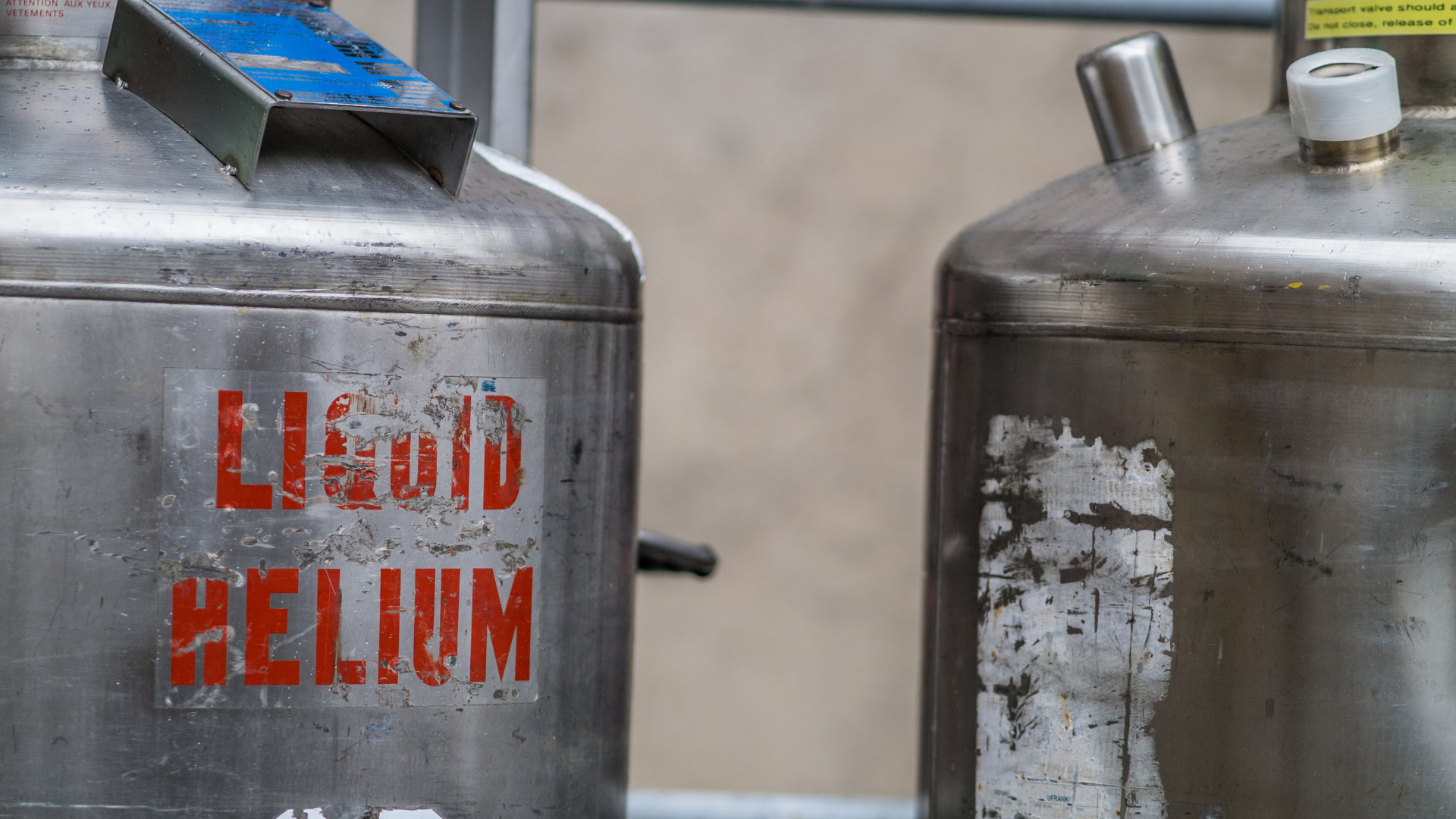
There are several types of helium tanks available, each designed for different needs.
Disposable tanks, including a 22L helium tank, are popular for home use because they are lightweight and easy to transport. They usually contain enough helium to fill a limited number of balloons and can be recycled according to local regulations once empty.
Refillable tanks are larger and intended for frequent or commercial use. Professional balloon decorators and event companies often prefer these cylinders because they can hold much more helium and are more cost-effective for large events.
Mini helium tanks are compact and convenient for small gatherings. They are easy to carry and suitable for people who only need to inflate a few balloons.
Choosing the right tank depends on the number of balloons you plan to fill and how often you need to use helium.
Read More:Industrial vs Party-Use Helium Tanks: What’s the Real Difference?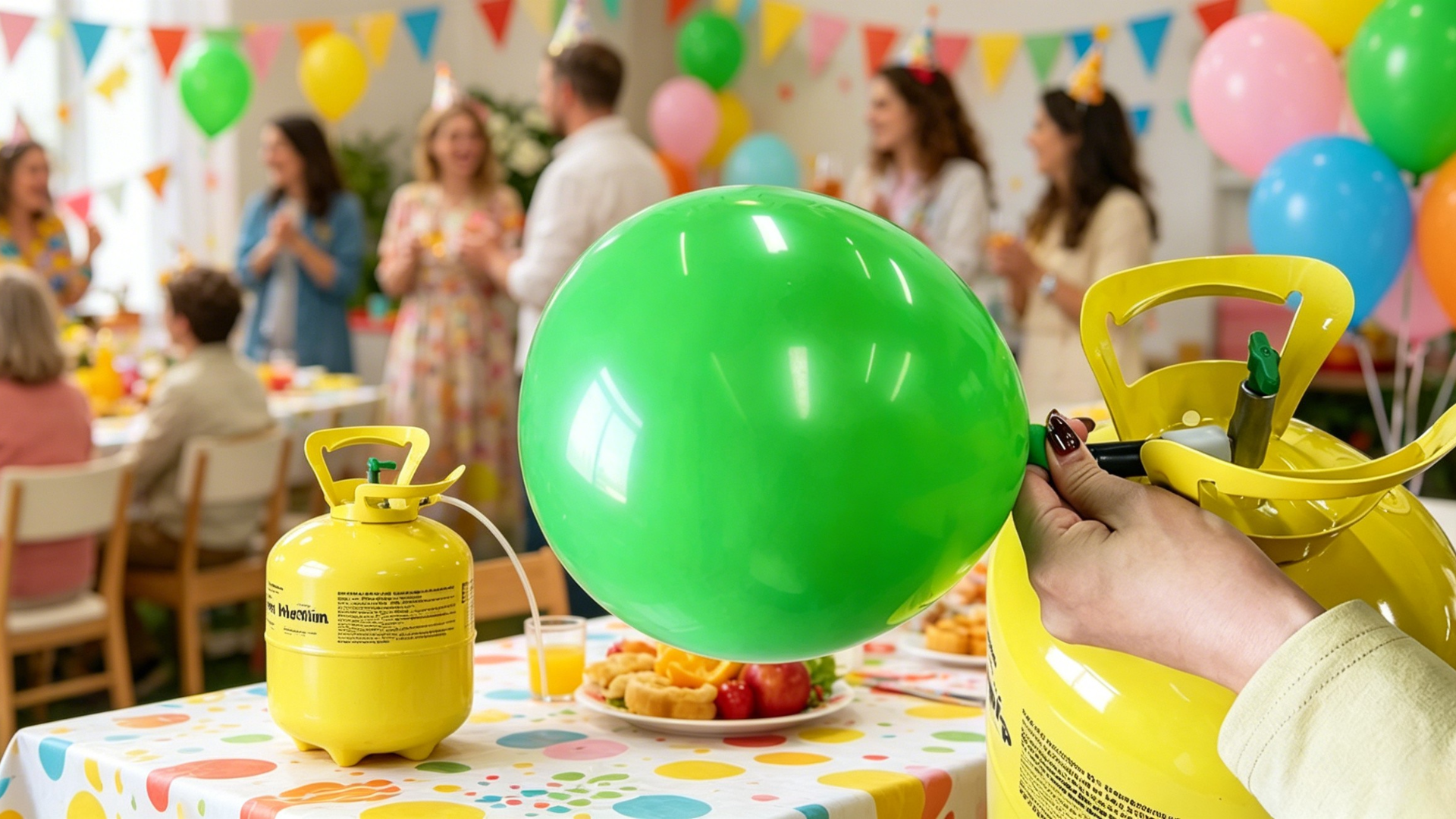
Using a helium tank safely involves a few simple steps.
Before opening the tank, place it on a flat and stable surface. The cylinder should remain upright throughout the entire process. A tank lying on its side can become unstable and may damage the valve if knocked over.
If you're using the tank outdoors, choose an area protected from direct sunlight and strong winds.
Turn the main valve slowly according to the manufacturer's instructions. Avoid opening it too quickly. Opening the valve gradually allows you to control the gas flow and prevents unnecessary pressure surges.
You may hear a slight hissing sound, which is normal as helium begins flowing through the nozzle.
Carefully stretch the balloon opening and place it over the inflation nozzle. Make sure it fits securely so that helium does not escape during inflation.
Latex balloons are more flexible and easier to attach, while foil balloons usually require an inflation valve or straw attachment.
Gently press the nozzle or release mechanism to allow helium to enter the balloon. Watch the balloon as it expands and stop filling once it reaches the recommended size.
Overinflating balloons can cause them to burst, wasting helium and potentially startling nearby people.
When you have finished inflating your balloons, turn the valve completely off. If the tank has a nozzle attachment, remove it according to the instructions.
Properly closing the tank prevents gas leakage and helps preserve any remaining helium for future use.
Read More:Compressed Gas Safety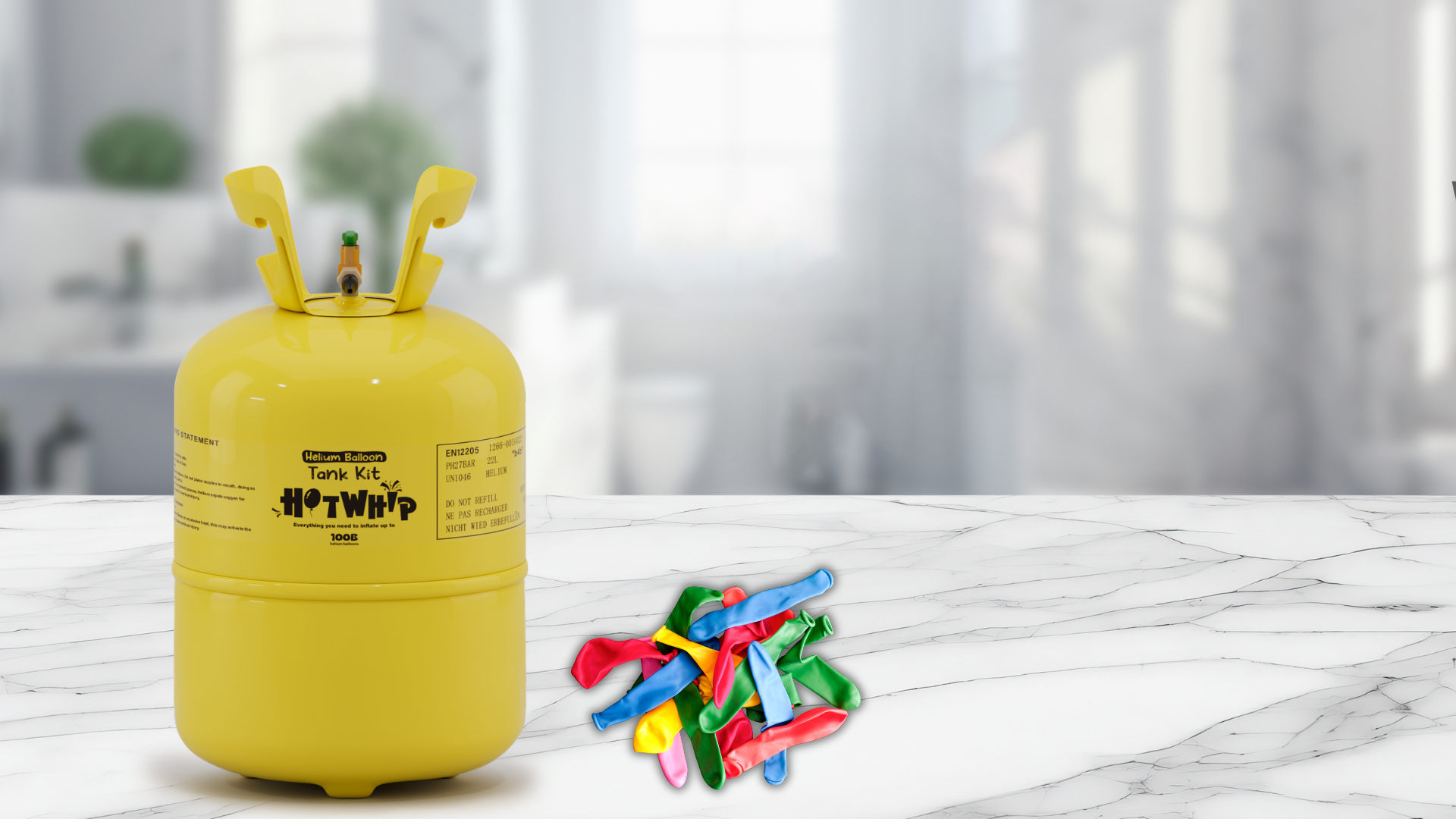
Even though helium tanks are designed to be user-friendly, following several safety precautions is important.
Always keep the cylinder standing vertically. An upright position ensures stable gas flow and reduces the risk of tipping over or damaging the valve.
Read More:Safety Tips for Using a Disposable Helium Tank
Helium itself is non-toxic, but large amounts can displace oxygen in enclosed spaces. Inflating balloons in a well-ventilated room or outdoors helps maintain safe air circulation.
Never store or use a helium tank near heaters, open flames, or inside a hot vehicle. Excessive heat can increase internal pressure and may damage the cylinder.
Store tanks in a cool, dry location whenever possible.
The valve is specifically designed to regulate gas release safely. Attempting to alter, repair, or force the valve can damage the tank and create safety hazards.
If the valve appears damaged or malfunctioning, stop using the cylinder and contact the supplier.
Helium tanks should never be treated as toys. Children may accidentally tip over the cylinder or misuse the nozzle.
Adult supervision is always recommended when helium tanks are being used around children.
Many people have heard the funny high-pitched voice produced by inhaling helium, but this practice can be dangerous.
Helium replaces oxygen in the lungs. Inhaling even a small amount can cause dizziness or fainting, and inhaling directly from a pressurized tank can lead to serious injuries, including suffocation and damage to the lungs.
No matter how harmless it may seem, helium should only be used for inflating balloons and should never be inhaled.
Read More:Compressed Gas Safety Program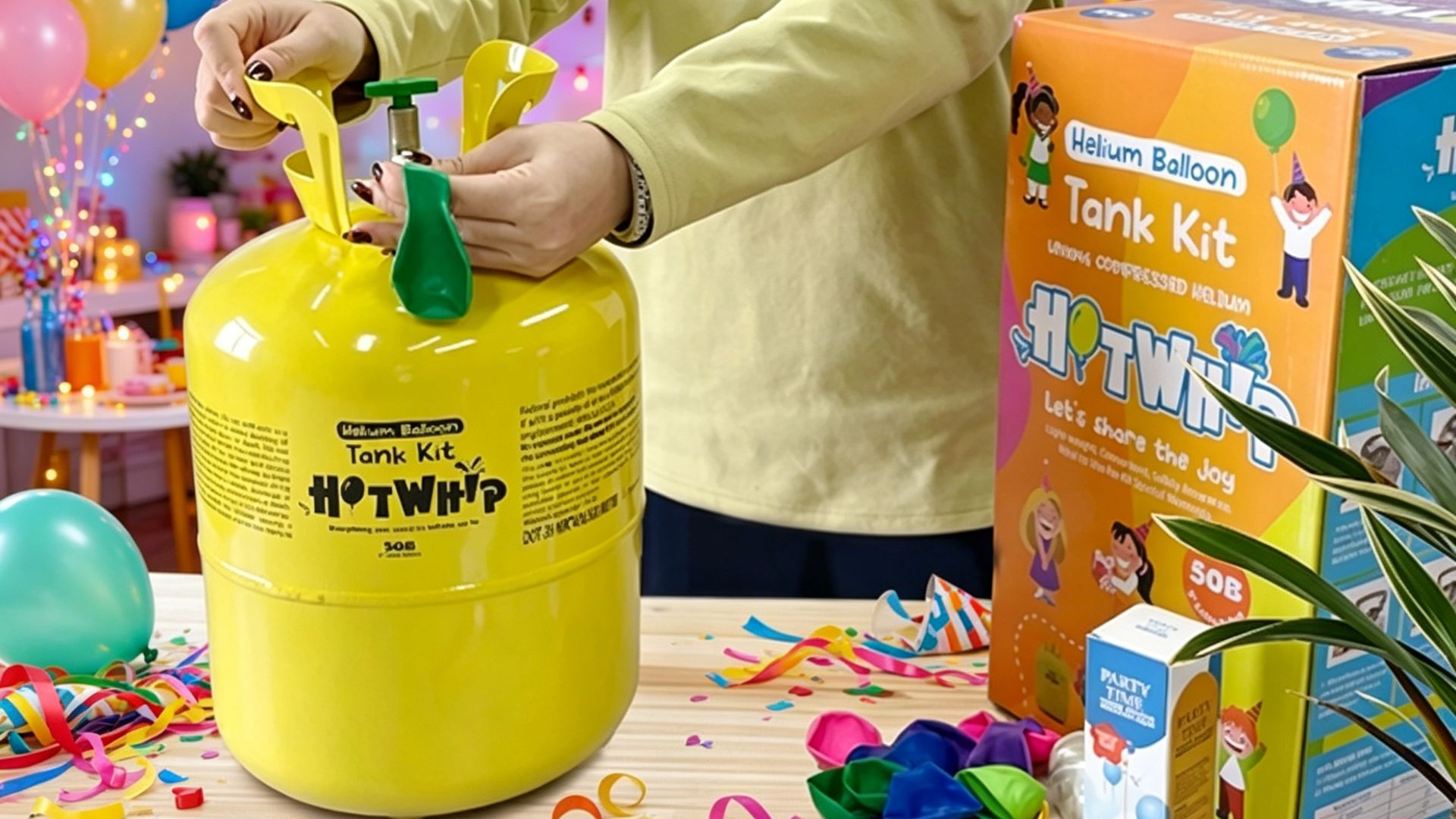
A helium tank is a convenient tool that can make parties and events more memorable by creating beautiful floating balloon displays. Fortunately, using one properly is not complicated. By keeping the tank upright, opening and closing the valve carefully, using it in a ventilated area, and following basic safety precautions, you can inflate balloons efficiently while keeping everyone around you safe.


