
If a recycling center refuses to accept your empty nitrous oxide canisters, don't put them in your regular recycling bin or try to dismantle them yourself. The safest approach is to contact the recycling center to understand its requirements, check with a local hazardous waste facility, or find a specialized waste collection site that accepts gas canisters.
Let's first take a look at how netizens on Reddit discuss the issue of recycling cream charger tanks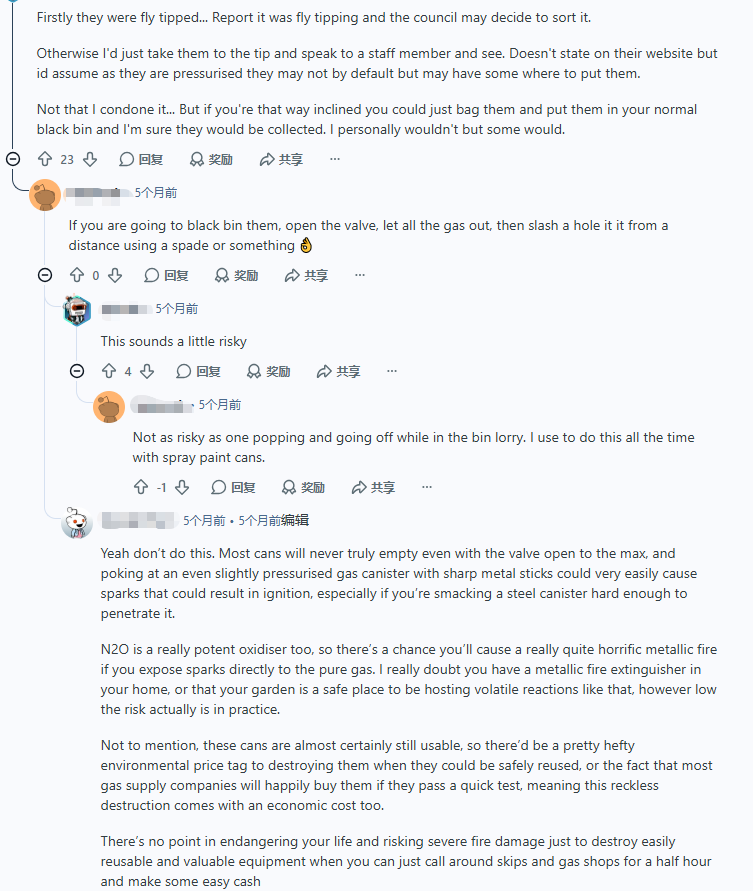
Even when a nitrous oxide canister appears empty, a recycling center may still refuse it. The decision usually comes down to safety concerns, the possibility of residual pressure, and the facility's ability to handle pressurized containers properly.
An empty canister does not always mean that all the gas has been released. Depending on the canister's condition and how it was used, some gas may remain inside. Recycling staff cannot always determine whether a container is completely empty just by looking at it. Accepting a canister without knowing its condition can introduce unnecessary risks during handling and processing.
Nitrous oxide tanks for sale are designed to contain gas under pressure. If a canister still has internal pressure, crushing, cutting, heating, or other mechanical processing may cause a dangerous release or rupture. This is one reason some recycling centers treat gas canisters differently from ordinary scrap metal, even when customers believe the containers are empty.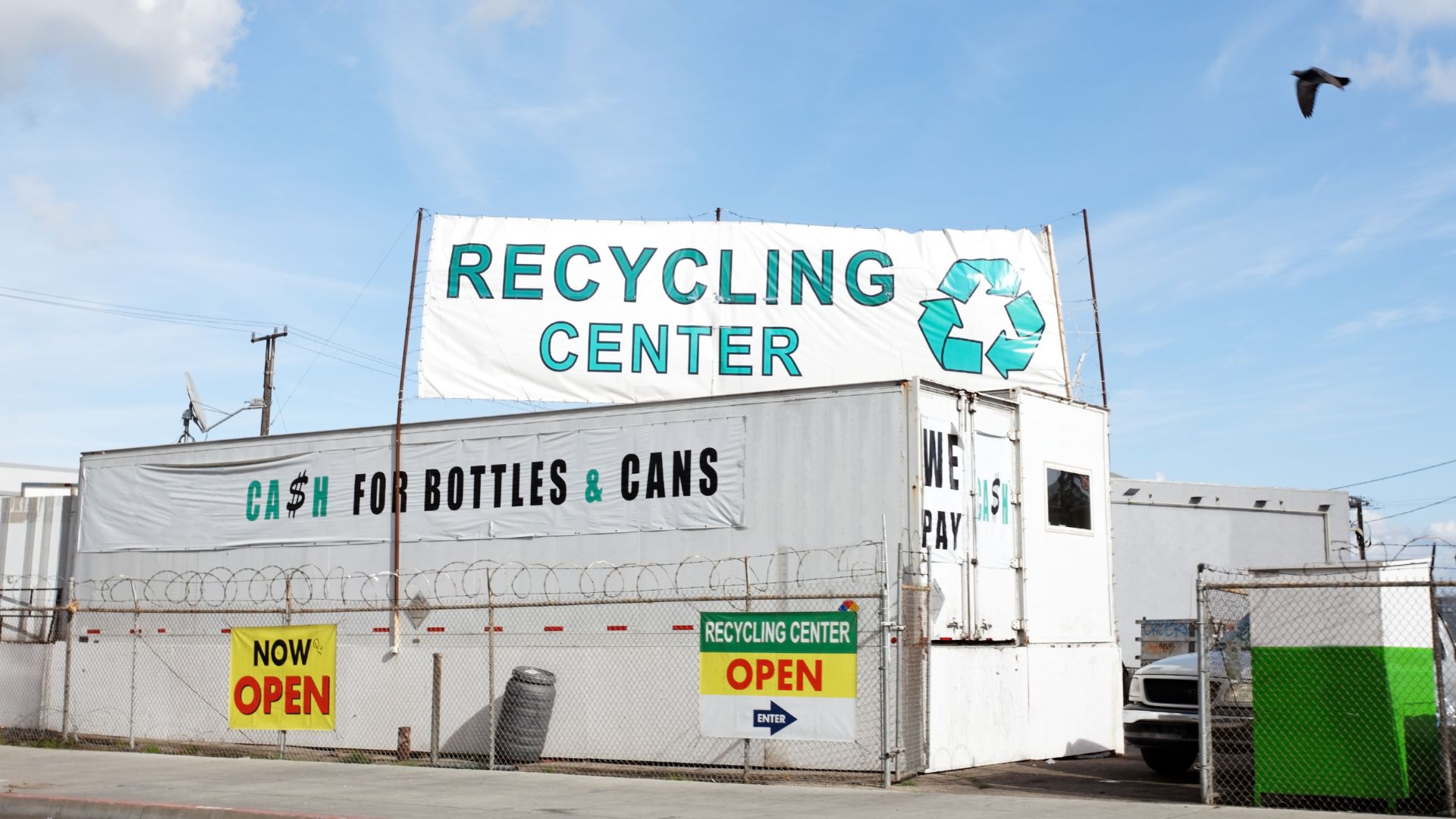
Not every recycling center is equipped to handle pressurized gas containers. Standard metal recycling operations are generally designed to process materials such as steel and aluminum, rather than containers that may still hold gas or pressure. Without appropriate equipment, trained staff, and established handling procedures, refusing the canisters may be the most responsible decision.
If a recycling center will not accept your canisters, there are several practical steps you can take. The key is to find a facility that can handle the containers safely rather than trying to make them acceptable through DIY methods.
Before taking your canisters anywhere else, ask the recycling center why they were refused. Some facilities may accept certain types of empty gas containers under specific conditions, while others may not accept them at all.
It is worth asking whether the center accepts nitrous oxide canisters specifically, whether it requires confirmation that they have been professionally emptied, and whether it can recommend an alternative disposal service. Getting clear answers beforehand can save you an unnecessary trip and help you avoid sending the containers to the wrong facility.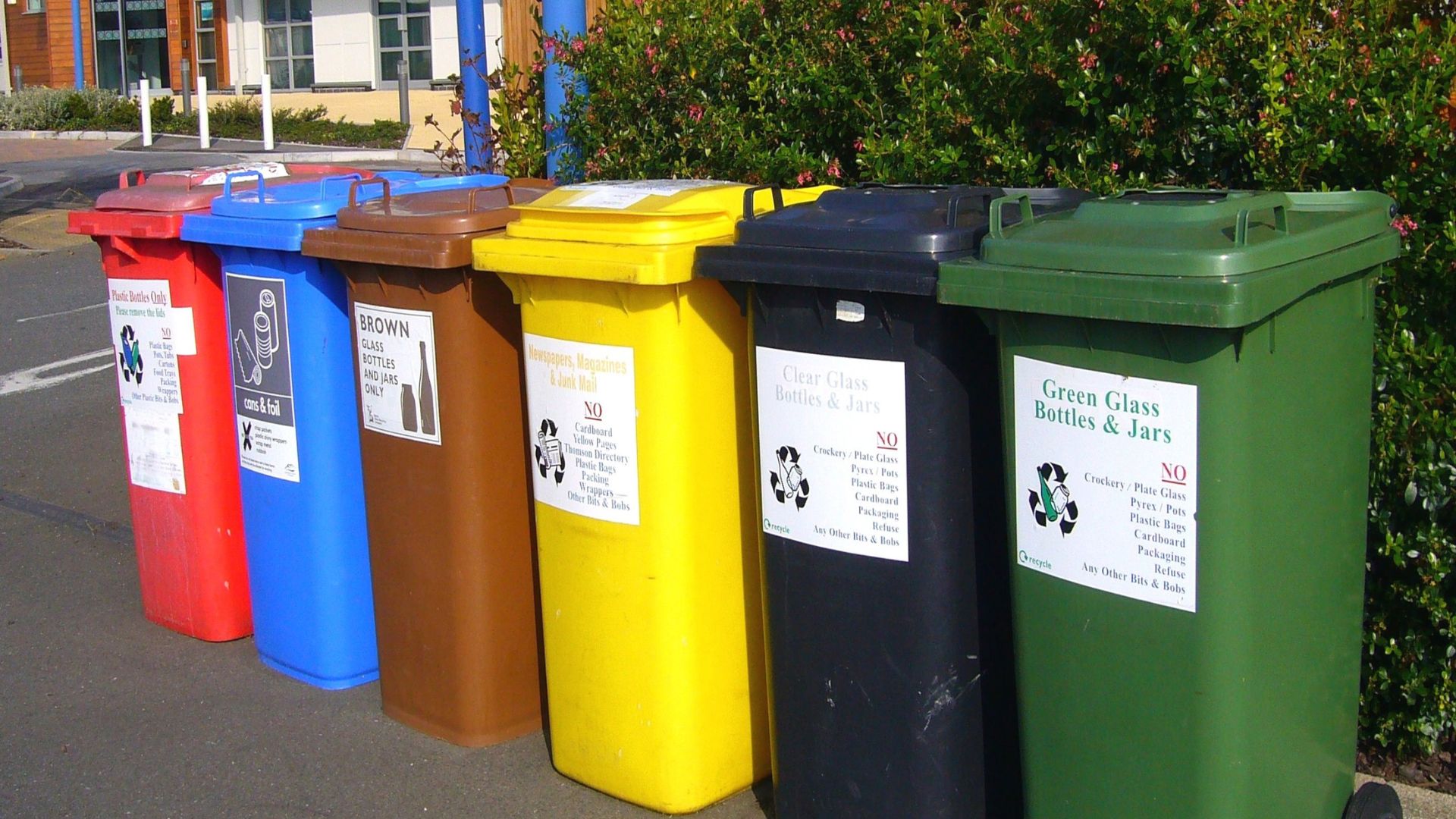
If ordinary recycling centers cannot help, contact your local hazardous waste collection facility or waste management department. Explain that you have used nitrous oxide canisters and provide details about their size, condition, and quantity.
Acceptance policies vary by location. Some facilities handle certain gas containers, while others may direct residents to a specialized collection service.
Always confirm that the facility accepts your specific type of canister before transporting it.
Do not assume that a canister is safe for regular scrap metal recycling simply because it no longer releases gas. Avoid puncturing, cutting, heating, or crushing it yourself. If the container's condition is uncertain, ask the receiving facility how it should be stored and transported.
Another option is to look for a designated special waste drop-off site in your city or county. These programs are designed to collect certain materials that cannot be placed in regular household trash or standard recycling bins.
The exact services available depend on where you live. Some municipalities operate permanent collection facilities, while others organize scheduled collection events or direct residents to approved waste management providers. However, a site that accepts household chemicals or other special waste may not necessarily accept nitrous oxide canisters, so always check its acceptance rules first.
For example, New York City provides special waste collection services for certain household materials through programs operated by the Department of Sanitation. Residents can check the city's official website for current collection options and accepted items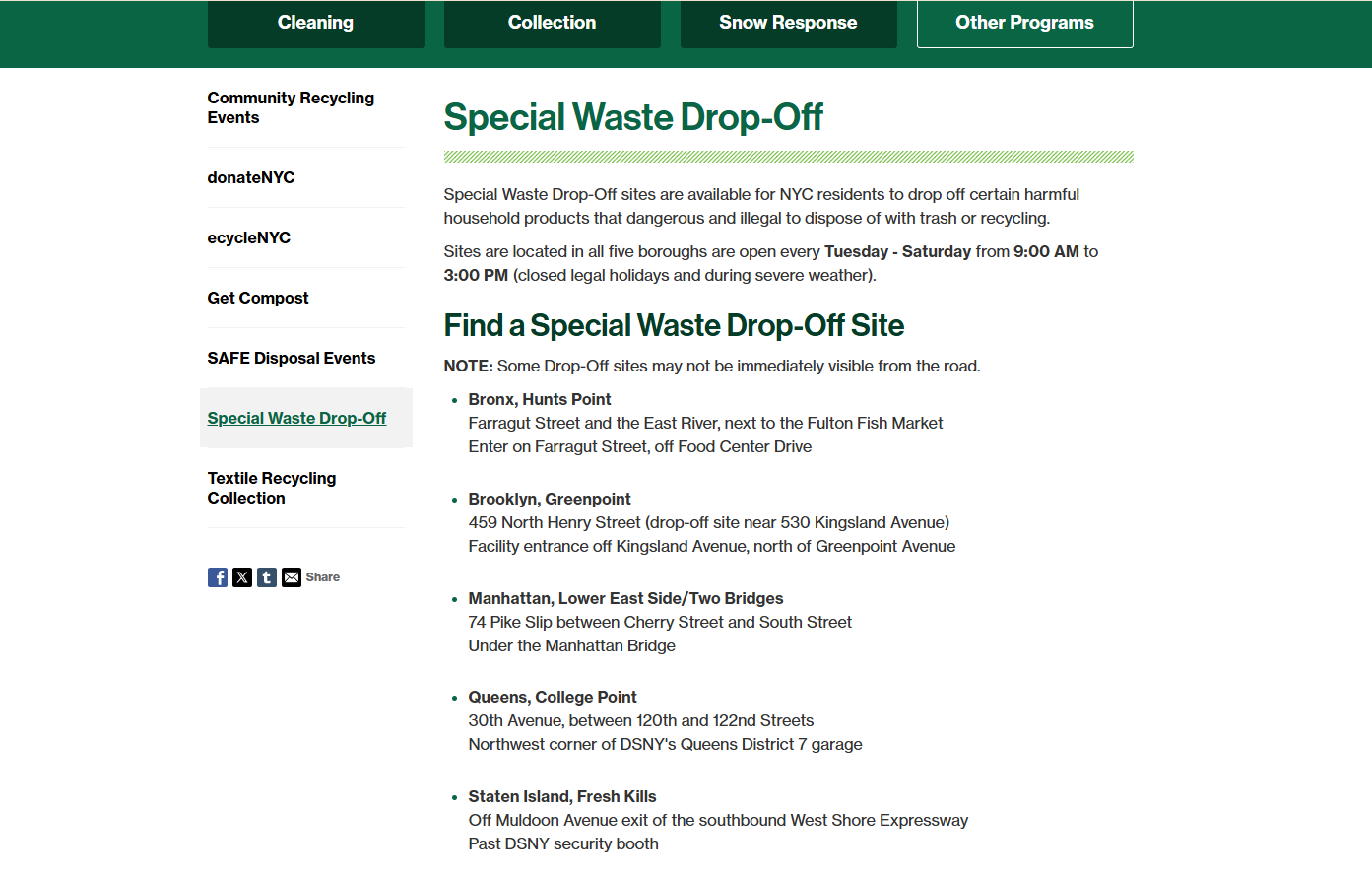
This is an example of how a local government can provide alternatives when ordinary recycling is not suitable. It does not mean that every New York City collection site accepts nitrous oxide canisters. Residents should confirm whether these specific containers are accepted before making a trip.
The whipped cream charger is a common tool in the kitchen, so it is essential to understand how to handle empty cans.Having a recycling center refuse your empty nitrous oxide canisters can be frustrating, especially when the containers appear to be nothing more than scrap metal. However, the refusal often reflects legitimate concerns about residual gas, internal pressure, and the facility's ability to handle the containers safely.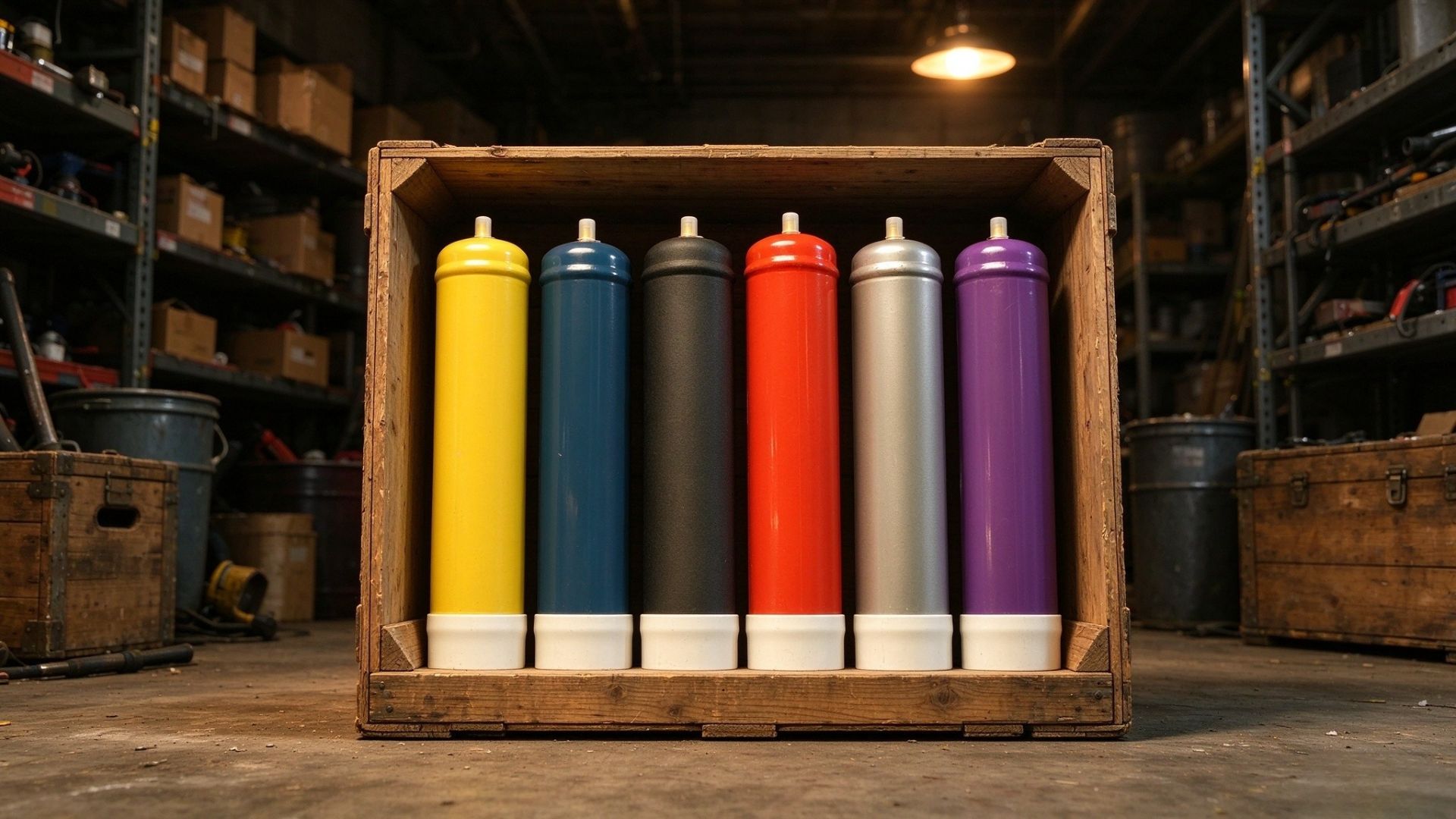
The best next step is to confirm the recycling center's requirements, contact a suitable hazardous waste or specialized collection service, and check local disposal guidance.
A little preparation can help you avoid unnecessary delays and ensure that used canisters are handled through an appropriate disposal or recycling process.


