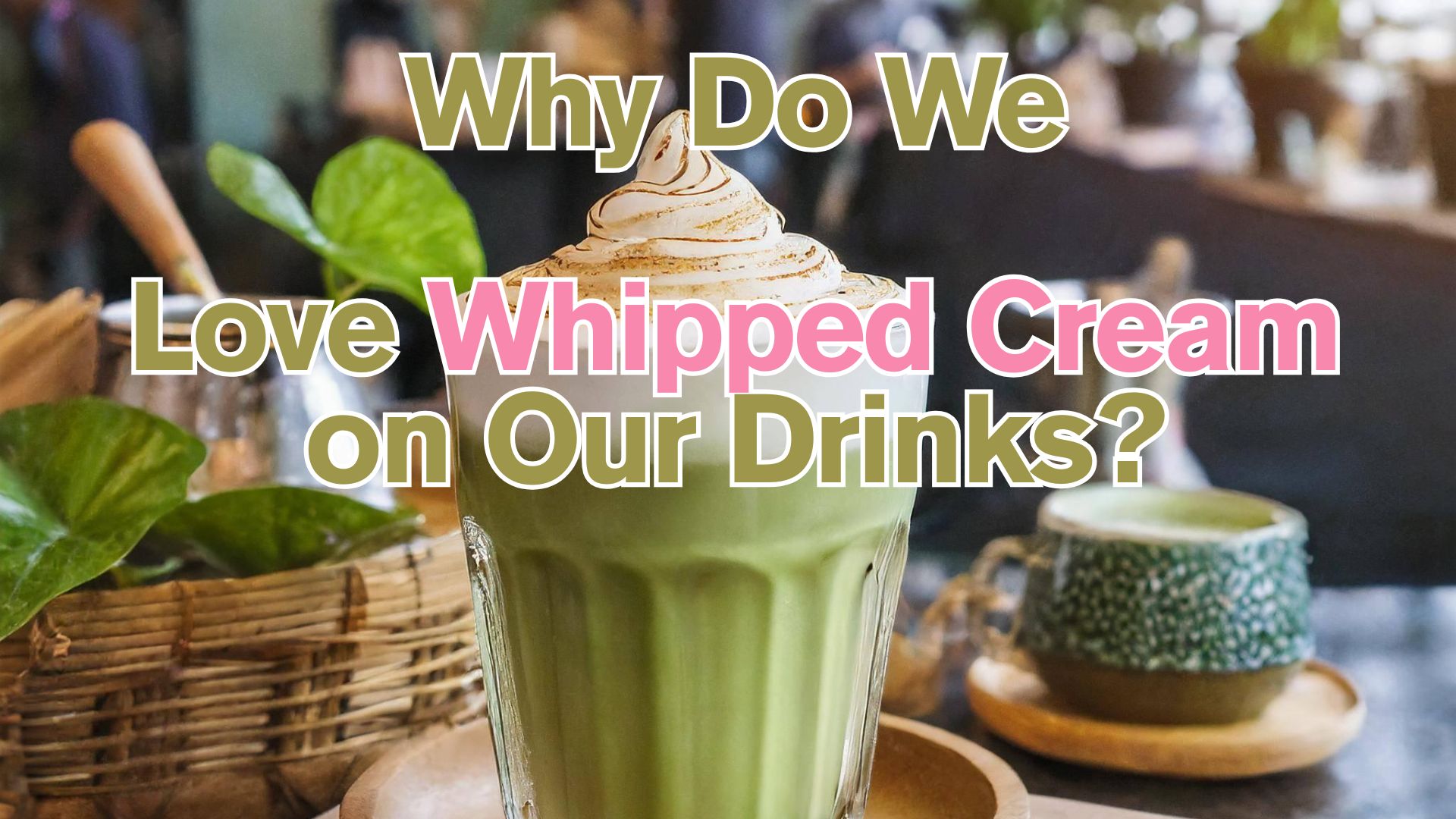
Whipped cream is more than just a pretty topping for coffee or hot chocolate. It adds a smooth, rich texture, balances strong flavors, and makes an ordinary drink feel a little more special. From traditional Viennese coffee to modern iced lattes and milkshakes, adding cream to drinks has become a familiar part of café culture. But where did this habit come from, and why do so many people still enjoy it today?
One of the things I find interesting about whipped cream is how easily it fits into completely different drinks. Some people love a generous layer of cream on a steaming cup of hot chocolate, while others prefer it on a cold coffee or milkshake. There isn't really a right or wrong way to enjoy it.
With hot drinks, whipped cream slowly softens as it sits on the surface, creating a creamy layer that blends with the coffee or chocolate as you take a sip. It makes a warm drink feel richer and more comforting, especially on a cold day.
Cold drinks offer a different experience. The whipped cream usually holds its shape for longer, giving each sip a contrast between the cool liquid underneath and the soft, airy topping above. This is one reason cream-topped iced coffees, frappes, and milkshakes have become so popular in cafés.
Let's take a look at an interesting discussion on Reddit:Whipped cream does not belong on cold drinks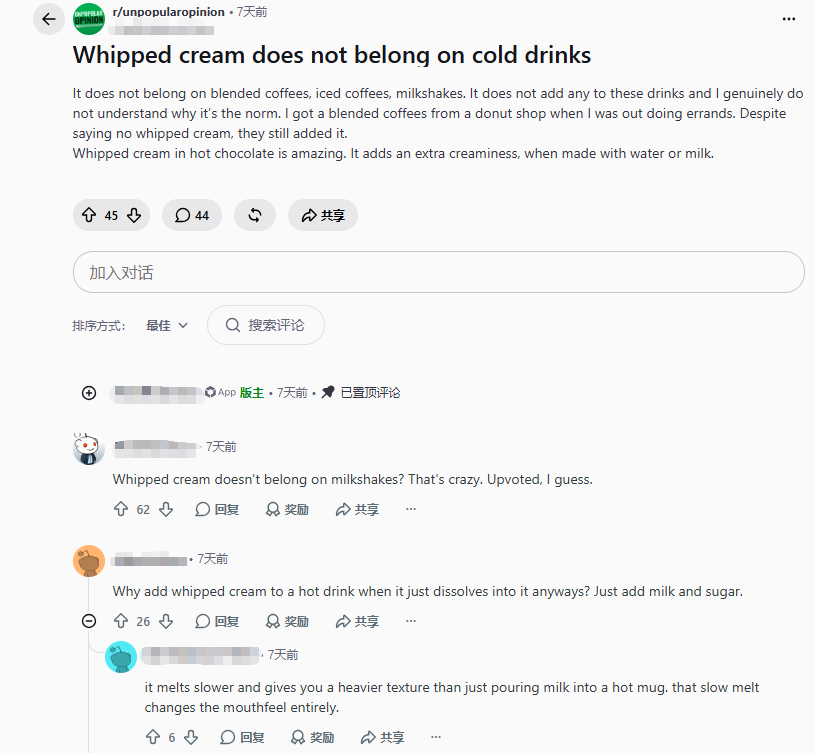
Adding whipped cream to drinks isn't a new idea. It has been part of coffee culture for quite a long time, with some classic drinks helping make this combination popular.
One well-known example is Einspänner, a traditional Viennese coffee from Austria. Associated with 19th-century carriage drivers, it combines strong coffee with a thick layer of whipped cream,It also helped prevent the coffee from spilling while riding in a bumpy horse-drawn carriage. The cream helped keep the coffee warm and added a rich contrast to its strong flavor.
Another famous example is Irish Coffee, created by Irish bartender Joe Sheridan in the 1940s. It brings together hot coffee, Irish whiskey, brown sugar, and fresh cream. Rather than mixing everything together, the cream sits on top, allowing people to enjoy the contrast between the warm coffee and the cool, smooth topping.
Although these drinks have different origins and recipes, they share one simple idea: cream can make a cup of coffee more enjoyable. Over time, this combination moved beyond traditional coffee and became a popular addition to all kinds of modern drinks.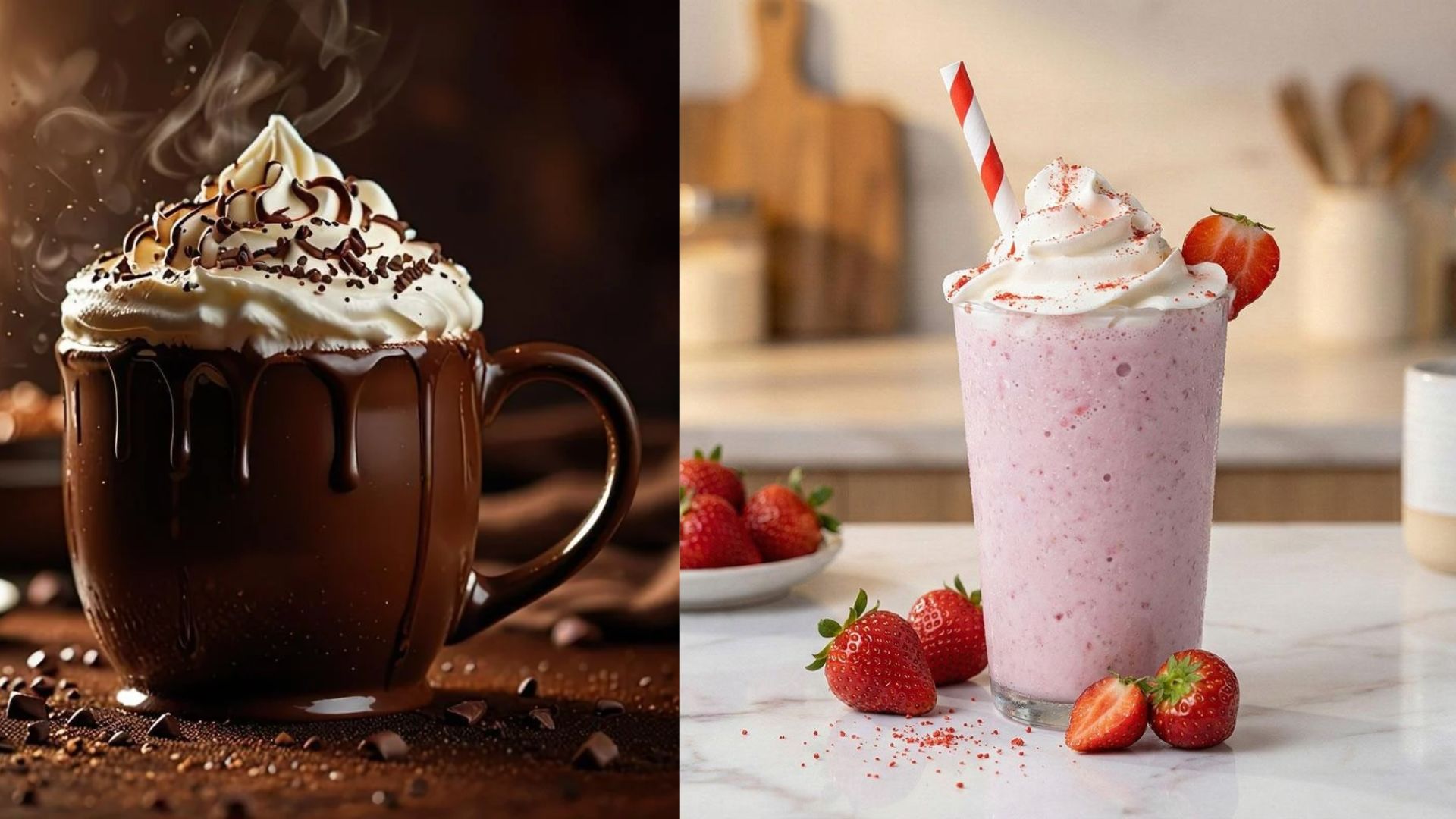
Today, adding whipped cream to drinks is about much more than following an old coffeehouse tradition. It has become an easy way for cafés and home drink makers to improve familiar recipes without changing the drink itself. Here are five reasons why it works so well.
The biggest difference whipped cream makes is the texture. Coffee, tea, and fruit-based drinks can sometimes feel quite thin, especially when served over ice. A layer of whipped cream adds a soft, airy texture that makes every sip feel more indulgent.
Think about an iced mocha. The coffee and chocolate provide a fairly strong flavor, but a spoonful of whipped cream on top adds a light, creamy contrast. It is a small addition, yet it can completely change how the drink feels.
Not everyone enjoys the bitterness of black coffee or the slightly sharp taste of strong tea. Whipped cream offers a simple way to soften these flavors.
Its natural dairy richness works particularly well with espresso, dark chocolate, matcha, and other ingredients with stronger flavors. You don't necessarily need to add more sugar to make a drink taste smoother. Sometimes, a little cream is enough to create a better balance.
Of course, the result depends on the recipe. Lightly sweetened whipped cream works well with bitter coffee, while vanilla or chocolate-flavored cream can complement a dessert-style drink.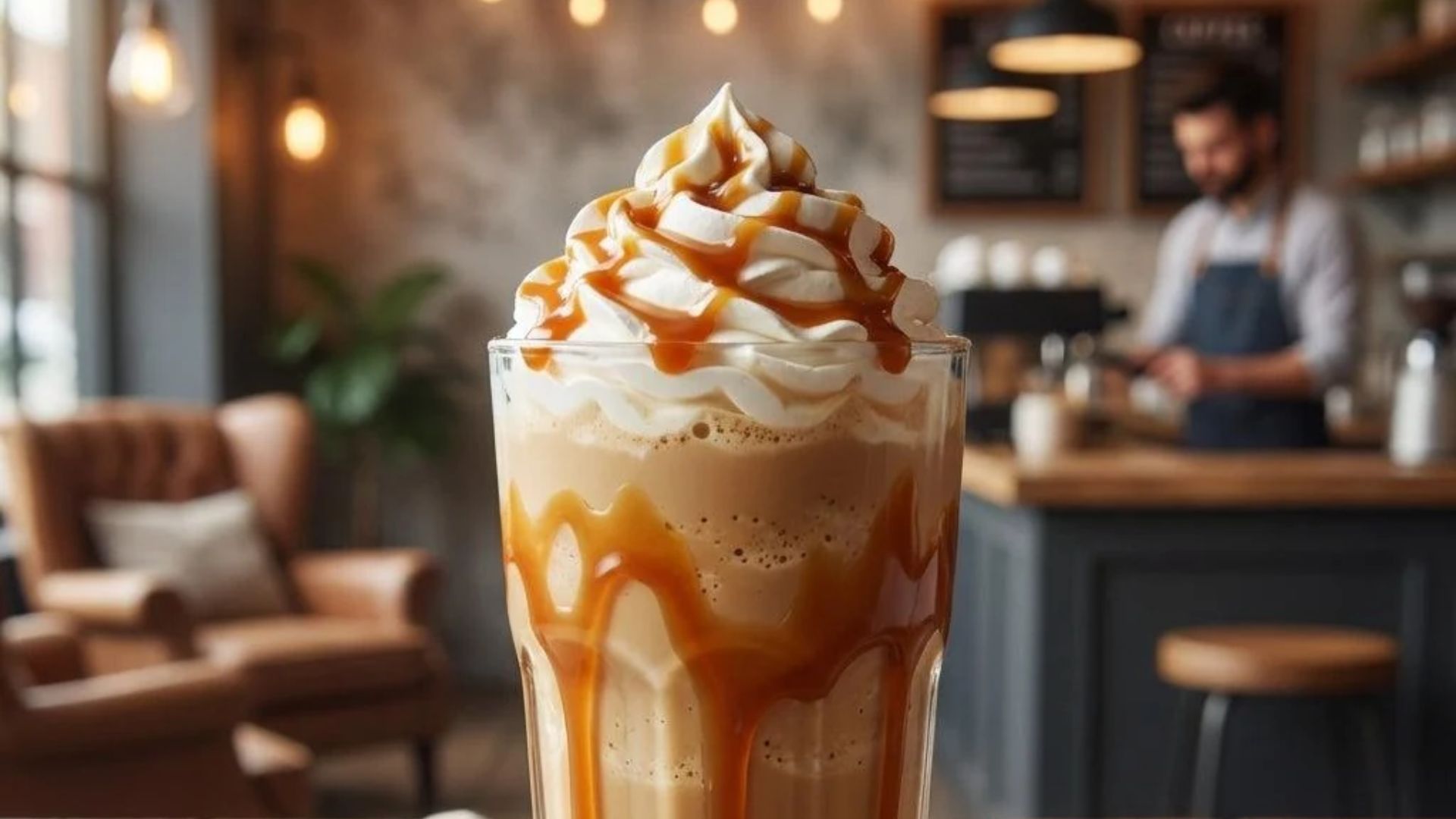
Plain whipped cream is already delicious, but there is plenty of room to experiment. You can add vanilla extract, cocoa powder, caramel, cinnamon, or even a little espresso to the cream before whipping it.
For example, a strawberry milkshake topped with vanilla whipped cream feels familiar, but adding strawberry-flavored cream creates a more noticeable fruit flavor. Similarly, coffee-flavored whipped cream can make an iced latte taste more like a café dessert.
This is also where a cream charger becomes particularly useful. Instead of relying on ordinary whipped cream, you can prepare different flavored cream mixtures using a whipped cream dispenser and food-grade nitrous oxide (N₂O).
A whipped cream charger releases nitrous oxide into the dispenser, helping the cream expand into a light, smooth foam when dispensed. This makes it easier to prepare fresh toppings with consistent texture, especially when experimenting with different recipes.
Let's be honest: presentation matters, especially when making drinks for friends or family. A simple iced coffee might taste great, but adding a swirl of whipped cream, a little chocolate sauce, or some crushed cookies makes it look much more inviting.
This is one reason whipped cream is so common in coffee shops. It gives baristas more opportunities to decorate drinks and create recognizable signature beverages.
You don't need professional decorating skills, either. A simple cream topping with a light dusting of cocoa powder can make homemade hot chocolate look like something from a café.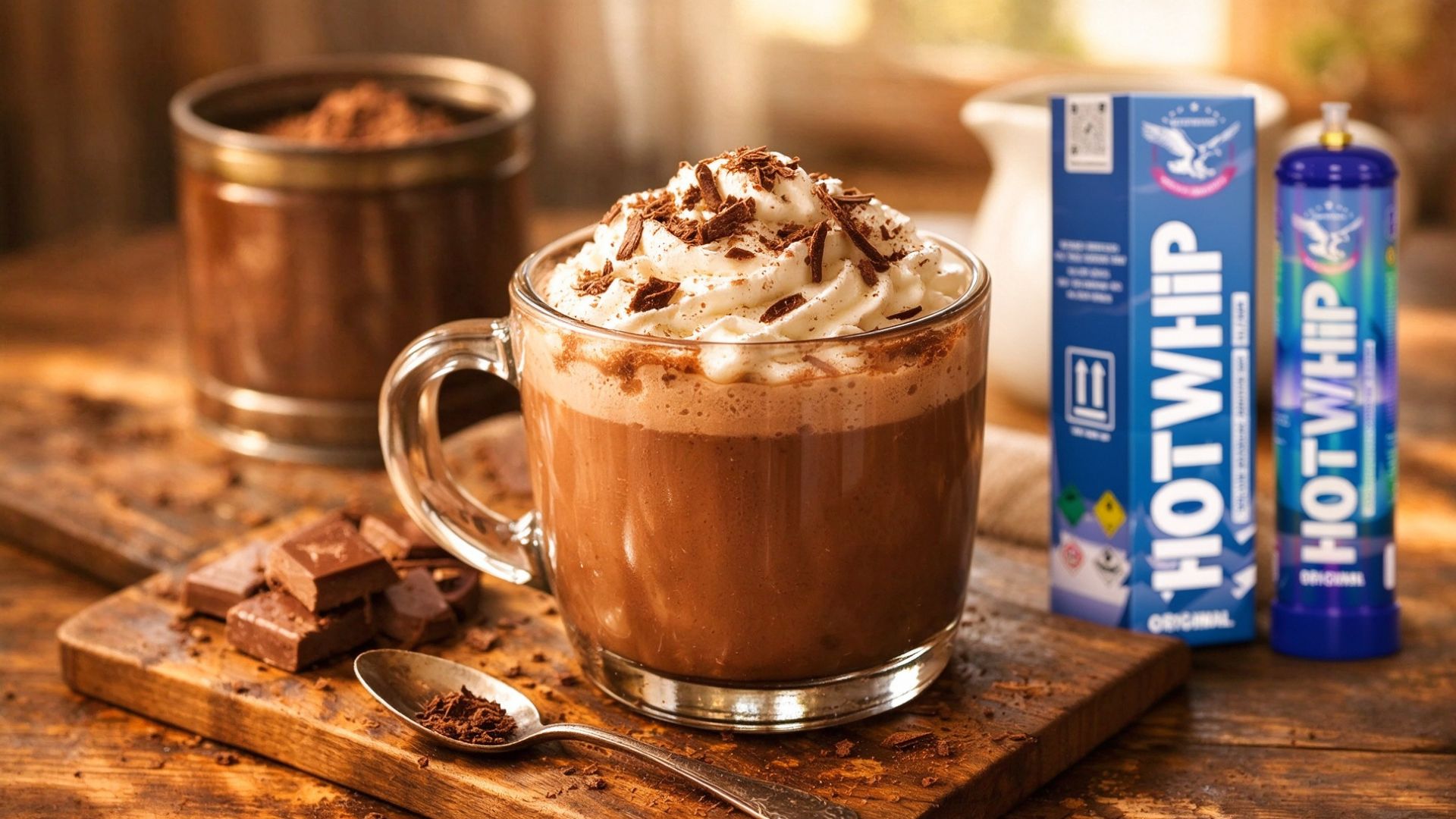
One of the best things about adding whipped cream is how many possibilities it creates. You can change the flavor, sweetness, thickness, and appearance without having to completely redesign the original drink.
For home drink makers, a whipped cream dispenser is a convenient tool for trying these ideas. A whipped cream charger designed for whipped cream preparation can help produce consistent results, depending on the dispenser and its capacity.
For smaller home recipes, individual cream chargers are generally convenient. For cafés or businesses preparing larger quantities, compatible larger-capacity food-service systems may be worth considering.
Looking back at drinks like Viennese Einspänner and Irish Coffee, it's interesting to see how a relatively simple addition became such a familiar part of modern drinking culture.
What started as a traditional way of serving coffee gradually developed into something much more creative. Today, whipped cream is used in everything from hot chocolate and iced lattes to milkshakes, fruit drinks, and specialty café beverages.
For me, the appeal is quite straightforward. You don't always need expensive ingredients or complicated equipment to make a drink more enjoyable. Sometimes, a little freshly whipped cream is all it takes.
And with food grade nitrous oxide and a suitable dispenser, making that fluffy topping at home becomes much easier. You can keep things traditional with plain vanilla cream or experiment with completely new flavors. Either way, it's a simple way to make an everyday drink feel a little more special.


